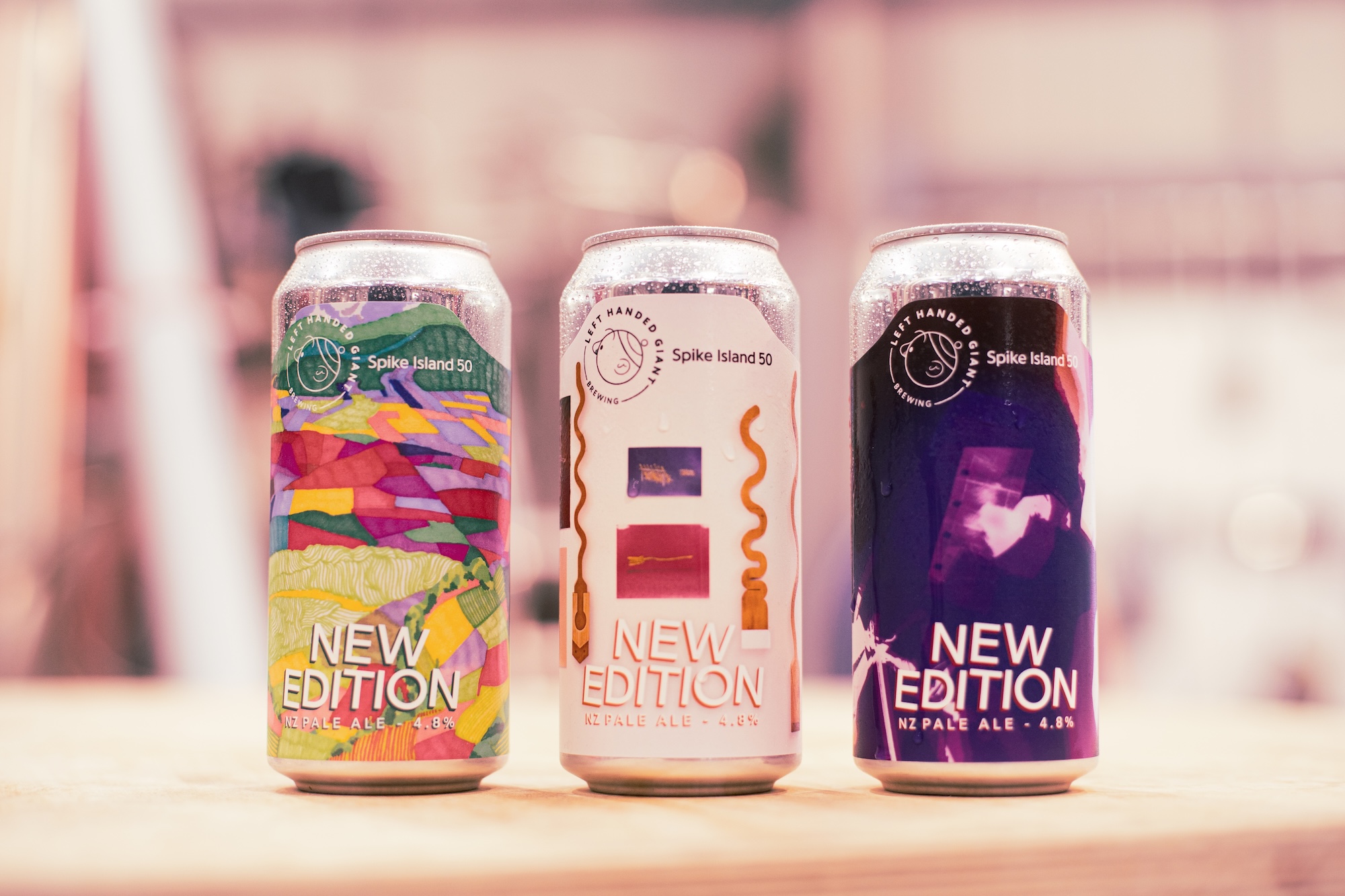
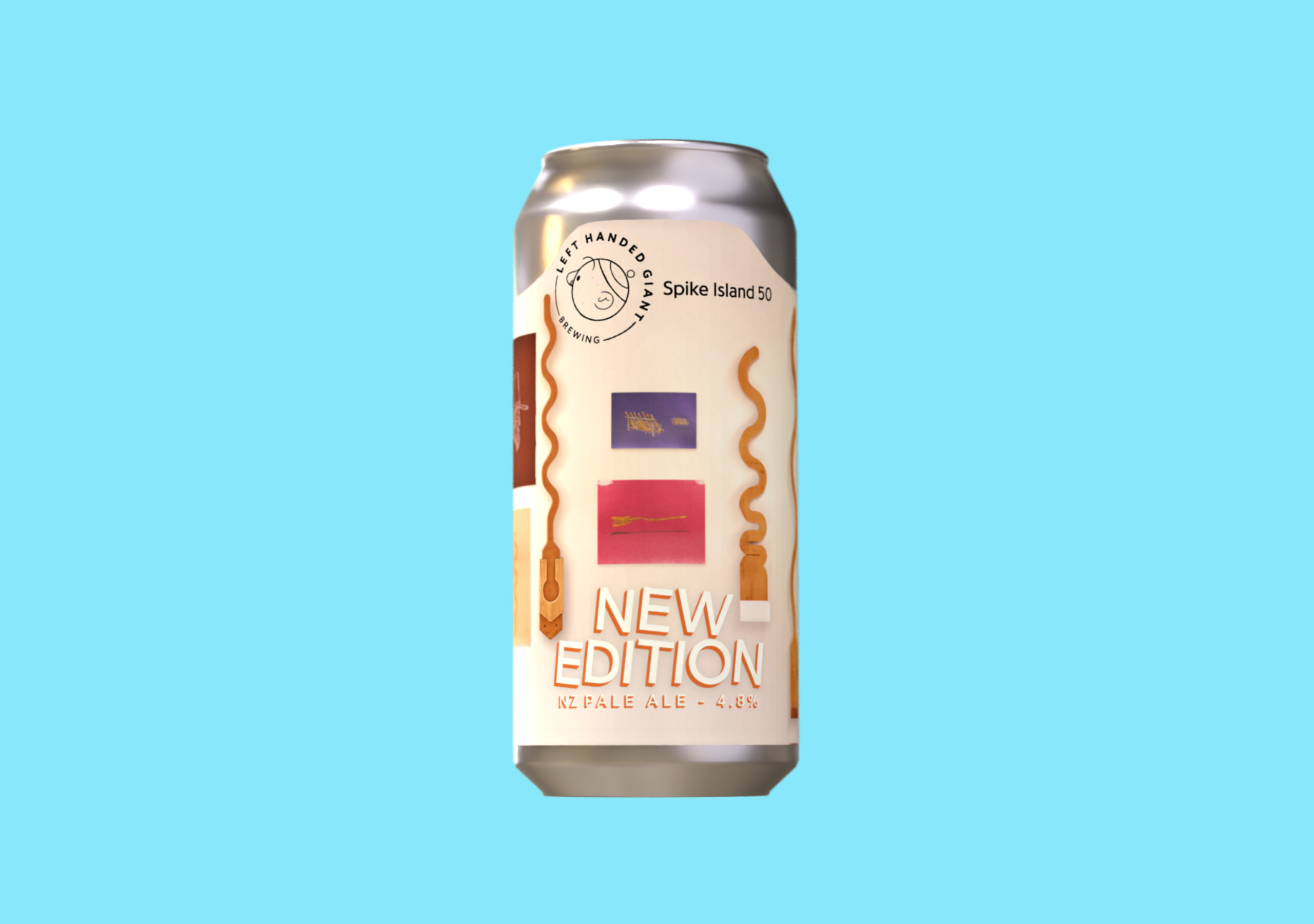
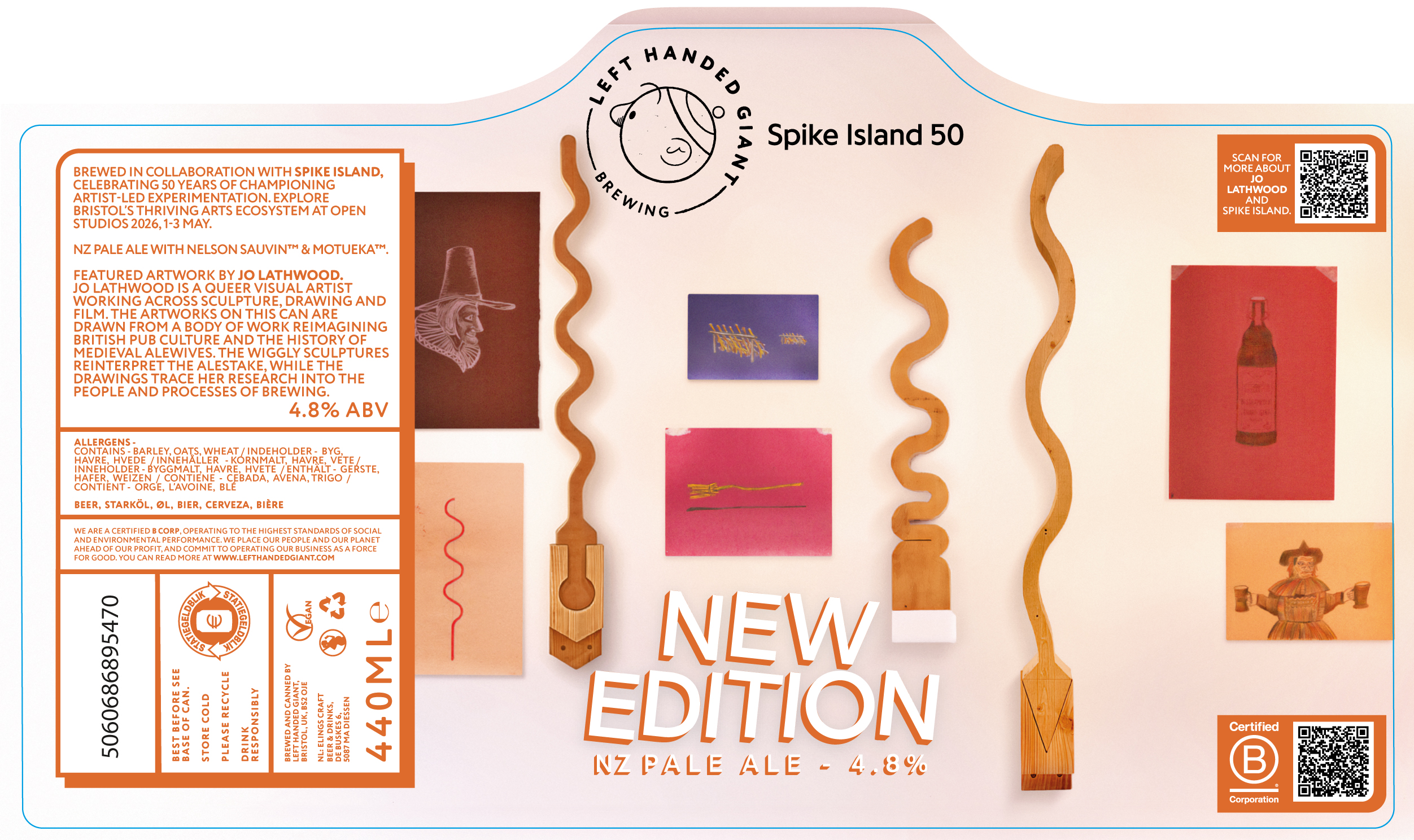
Left Handed Giant teamed up with Spike Island to produce a new beer celebrating the 50th anniversary of Spike Island’s artist community, featuring limited-edition artwork labels by Spike Island artists:
Cliff Andrade,
Samuel Fordham and Jo Lathwood.
The project launched with an event at the Left Handed Giant Brewpub, bringing together a beer tasting, exhibition, and a series of short talks by the participating artists, introducing the ideas and processes behind their work.
The beer will be released publicly during Spike Island Open Studios 2026 (1–3 May), an annual event offering free behind-the-scenes access to studios alongside a programme of exhibitions, events and activities.
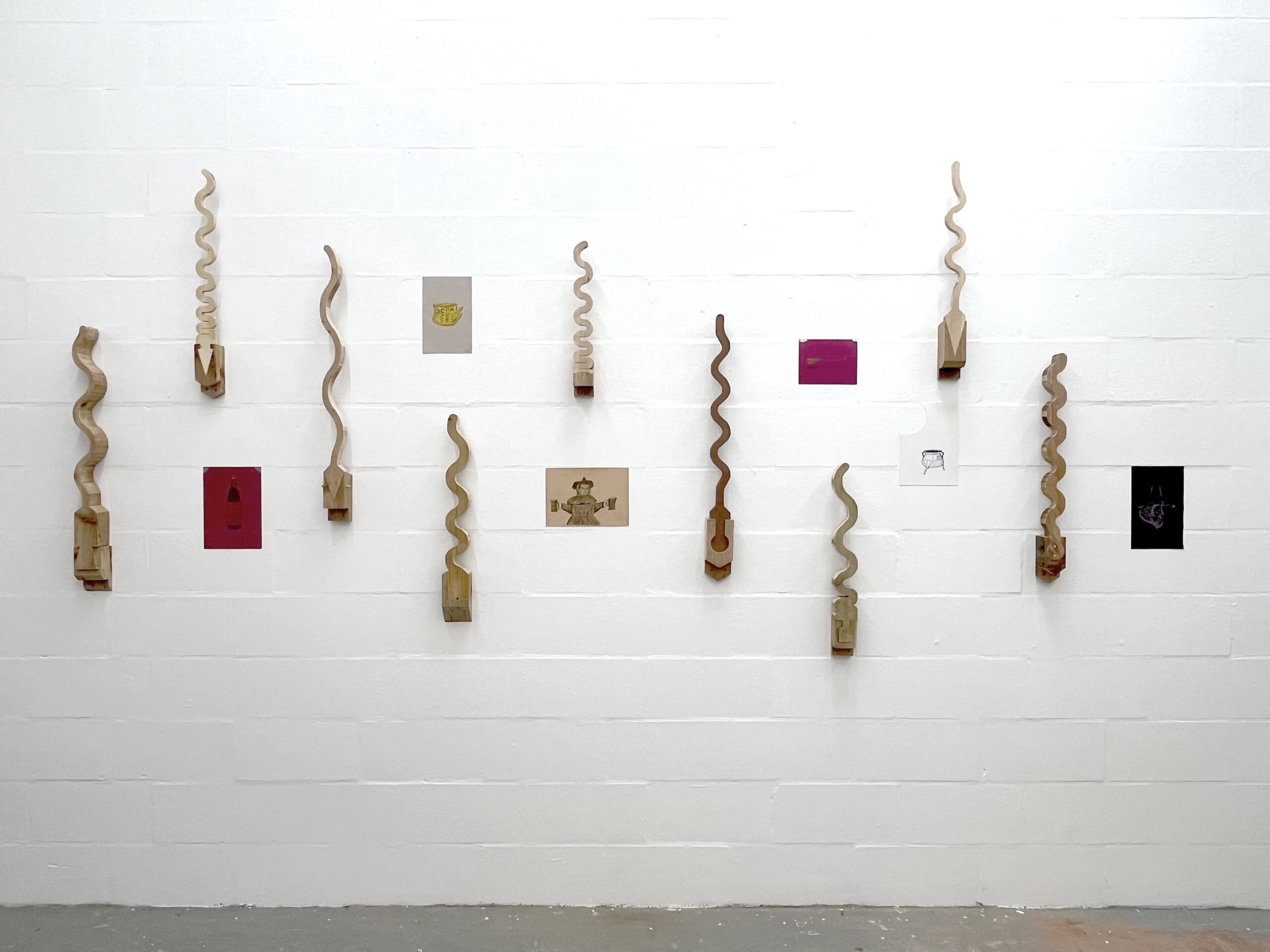
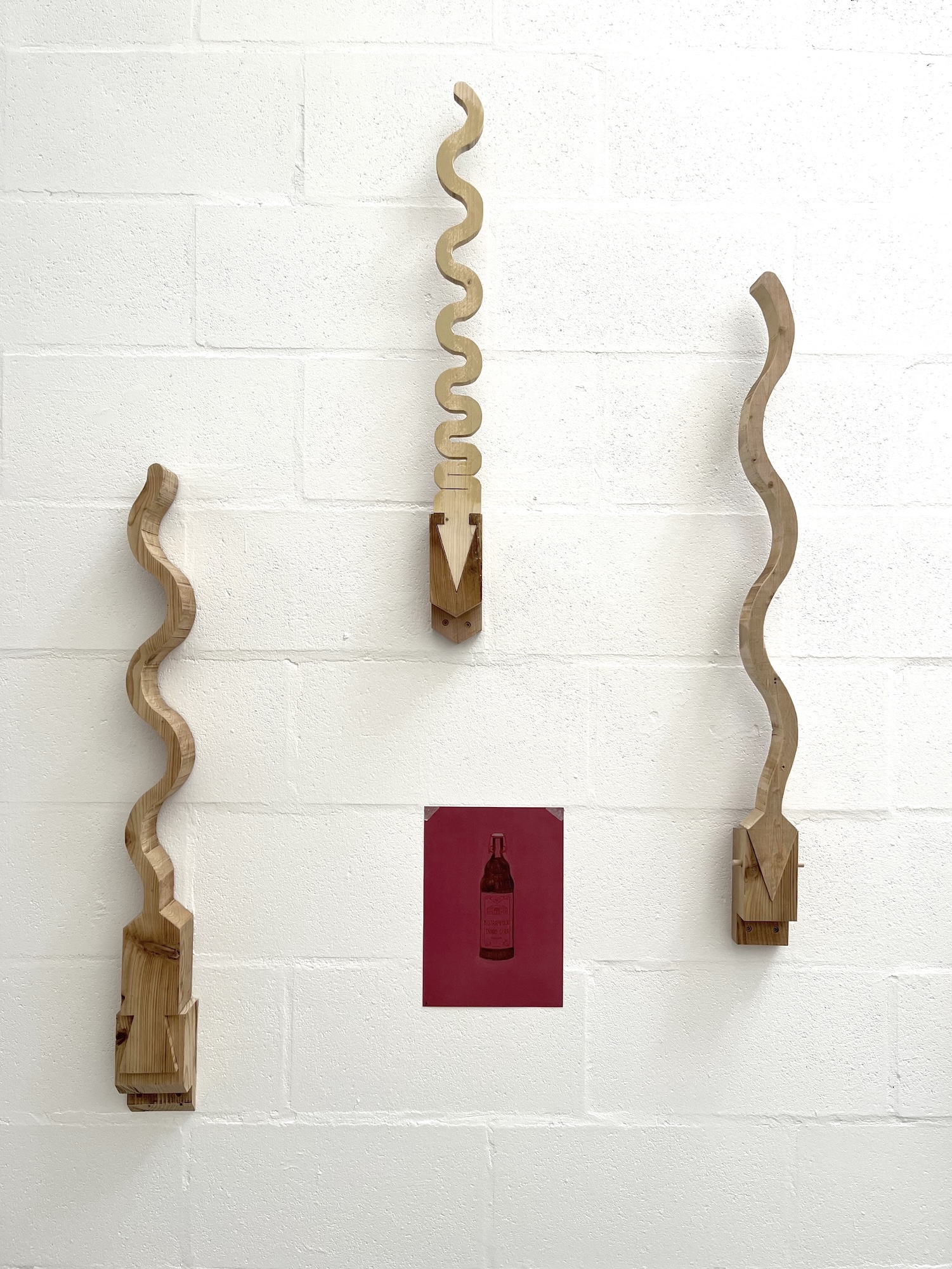
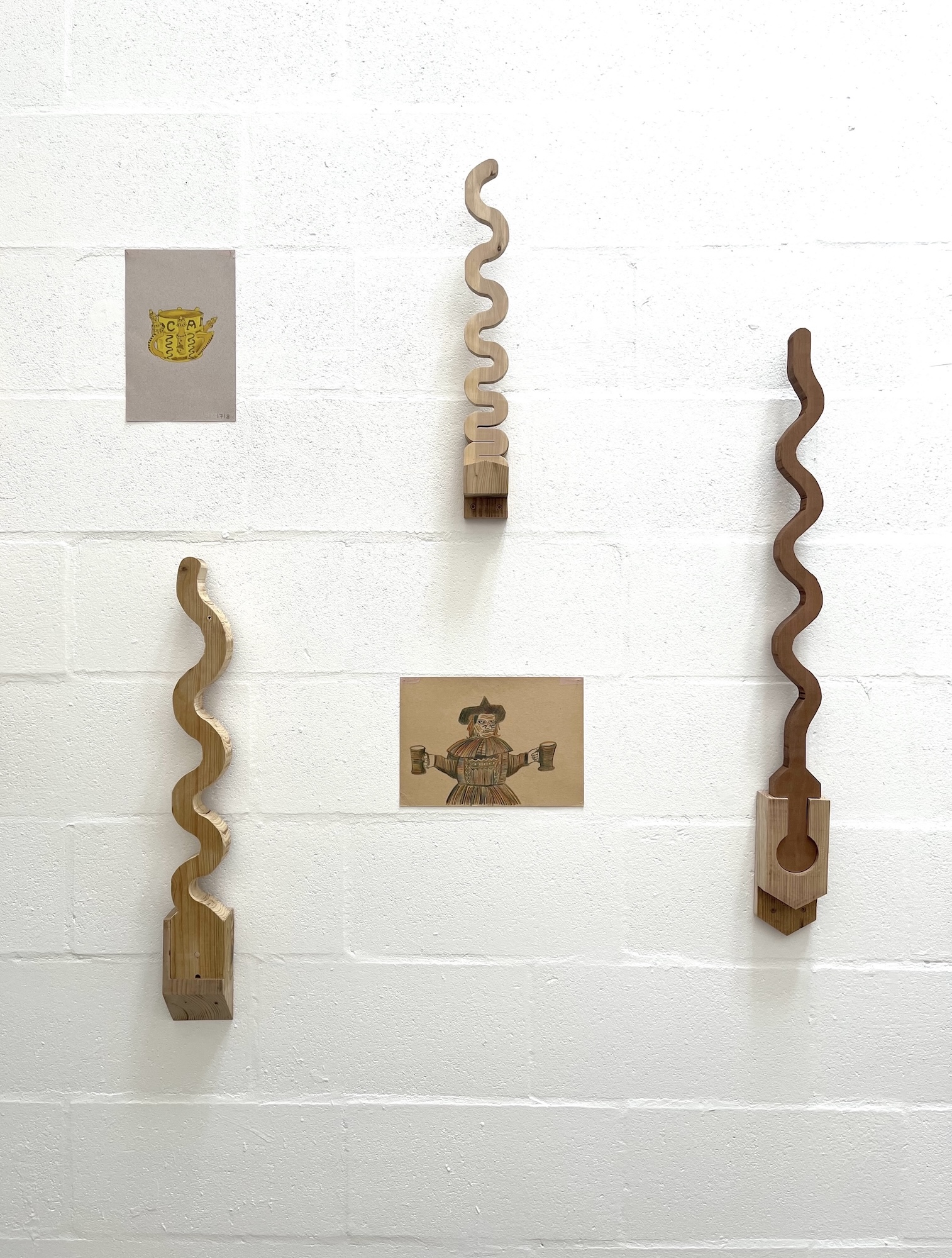
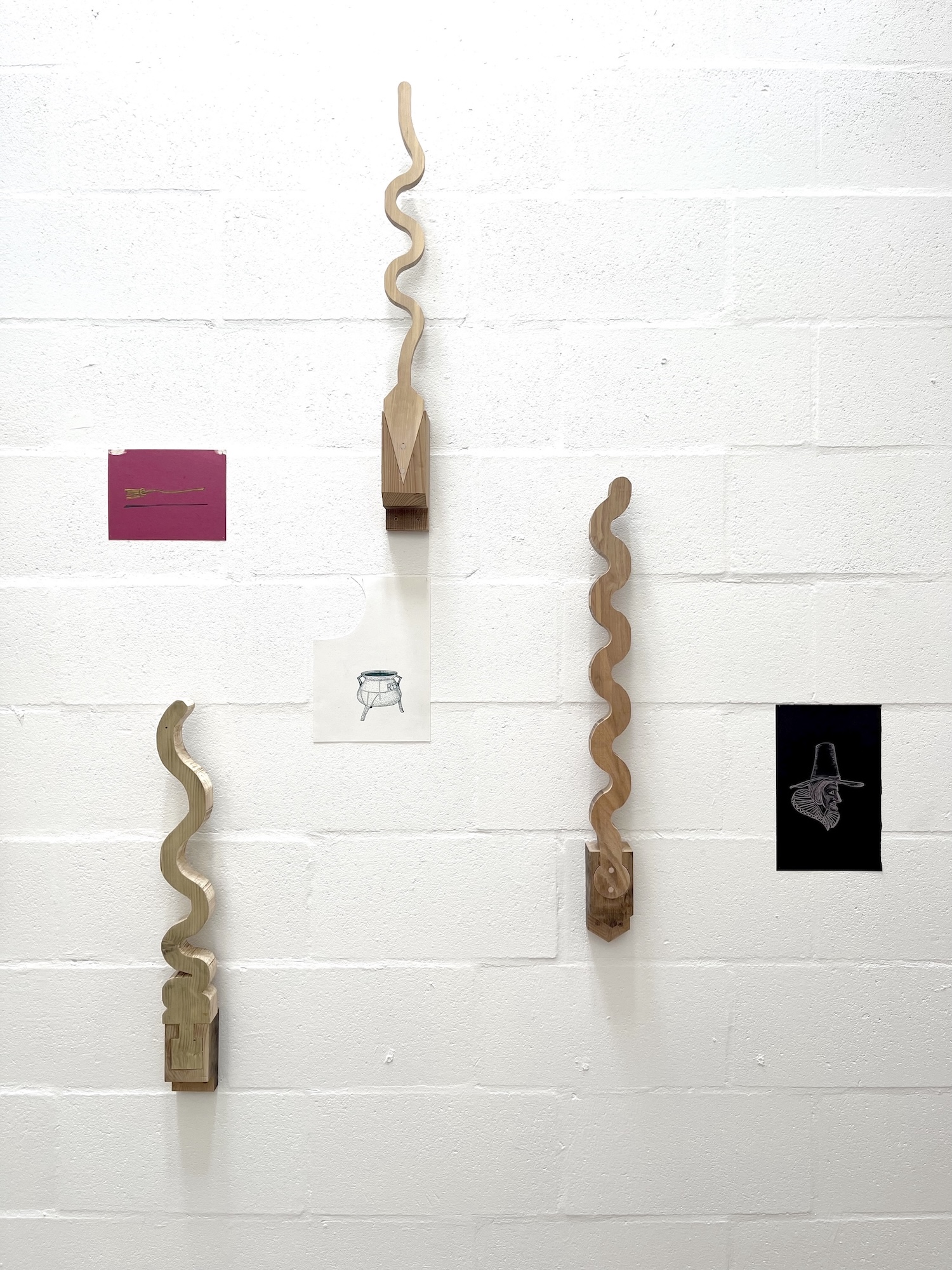
This selection of sculptures and drawings forms part of an ongoing body of work exploring brewing from a queer perspective. Emerging from research first developed for
Down the Hatch
, commissioned by East Quay in September 2025, these works continue that enquiry through new forms.
The wiggly sticks are a contemporary interpretation of the alestaff (or alestick), a historical object used to signify that ale was for sale at an alewife’s house. There is little surviving material culture documenting these forms of medieval advertising, but they were traditionally positioned horizontally, protruding from a doorway, and were most likely simple branches with smaller twigs wrapped around them.
These alestaffs are fabricated from different pieces of recycled timber, including oak, ash, pine, and cedar. Their forms are noticeably distinct from the two most common forms of timber: cut lumber and organic branches. Their wiggly shapes also evoke fizzing or bubbling, akin to the process of fermentation that happens in brewing.
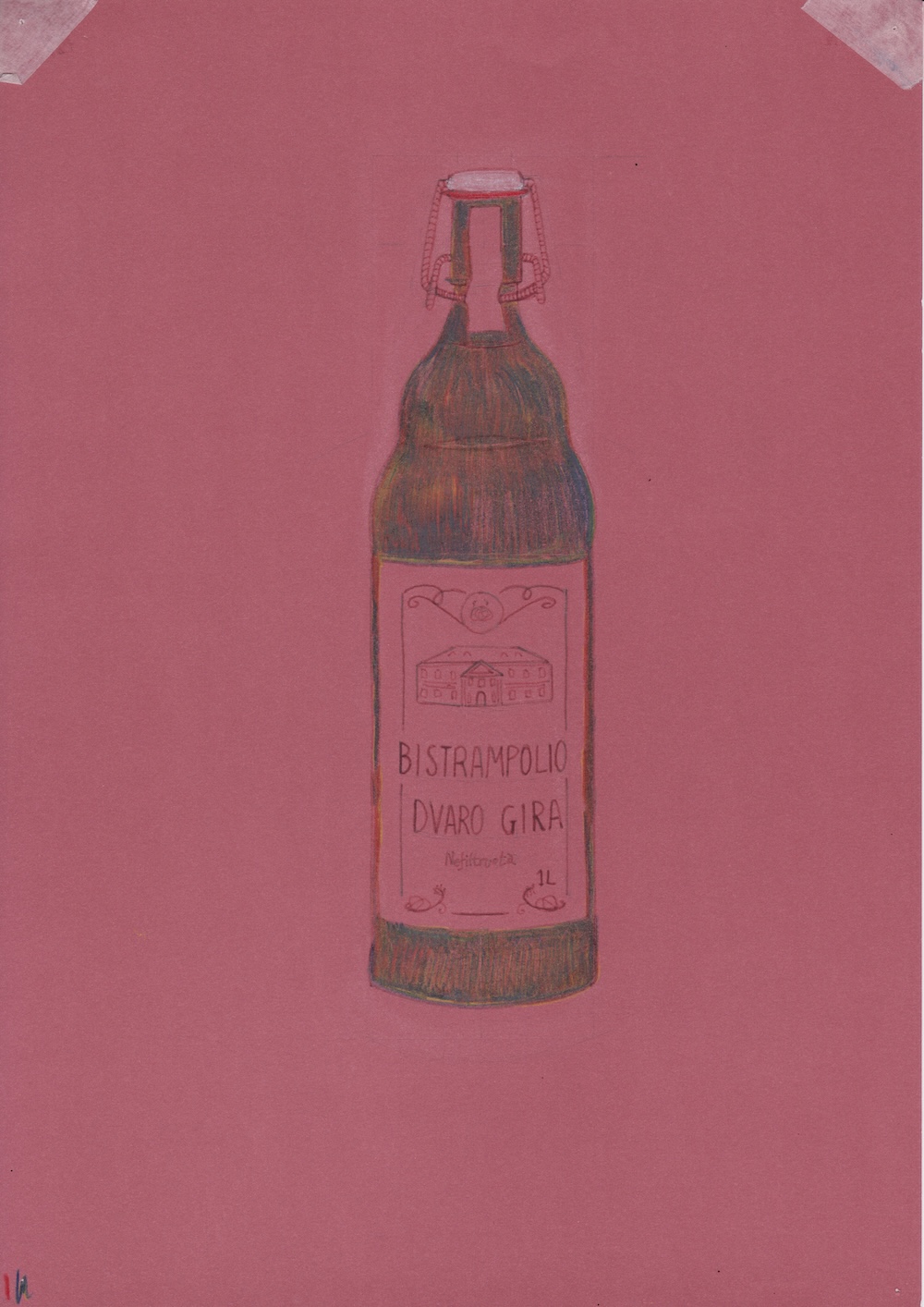
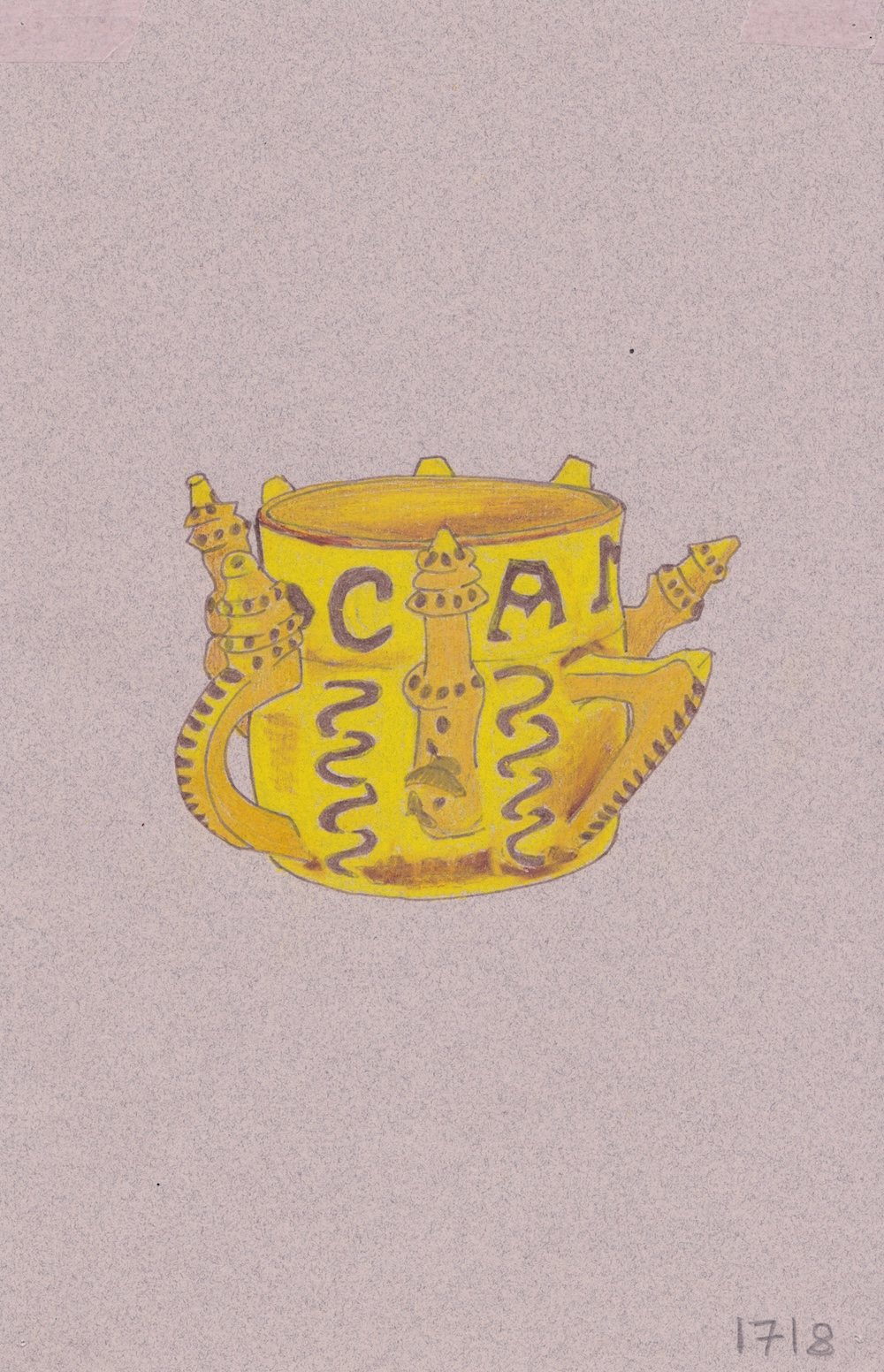
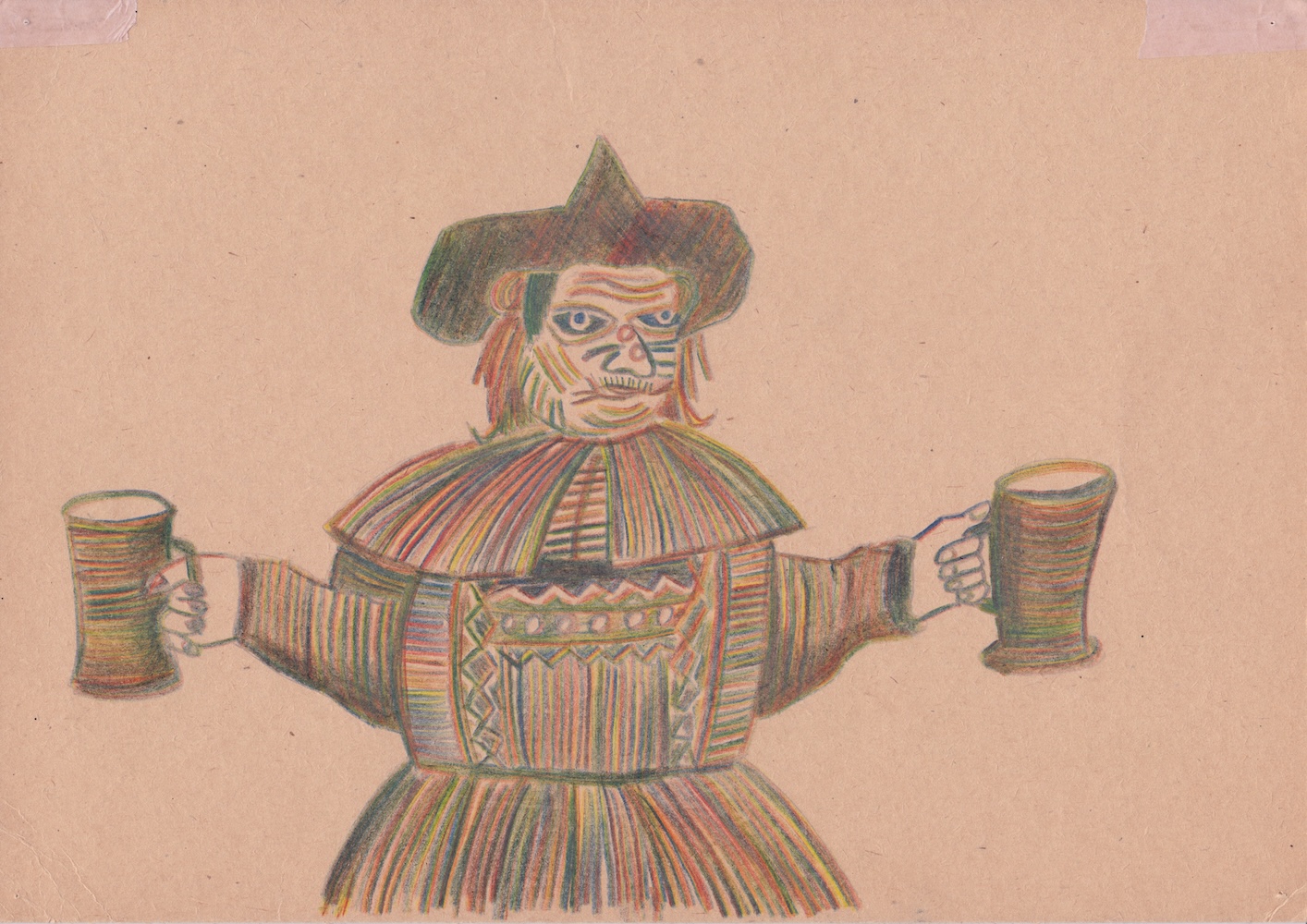
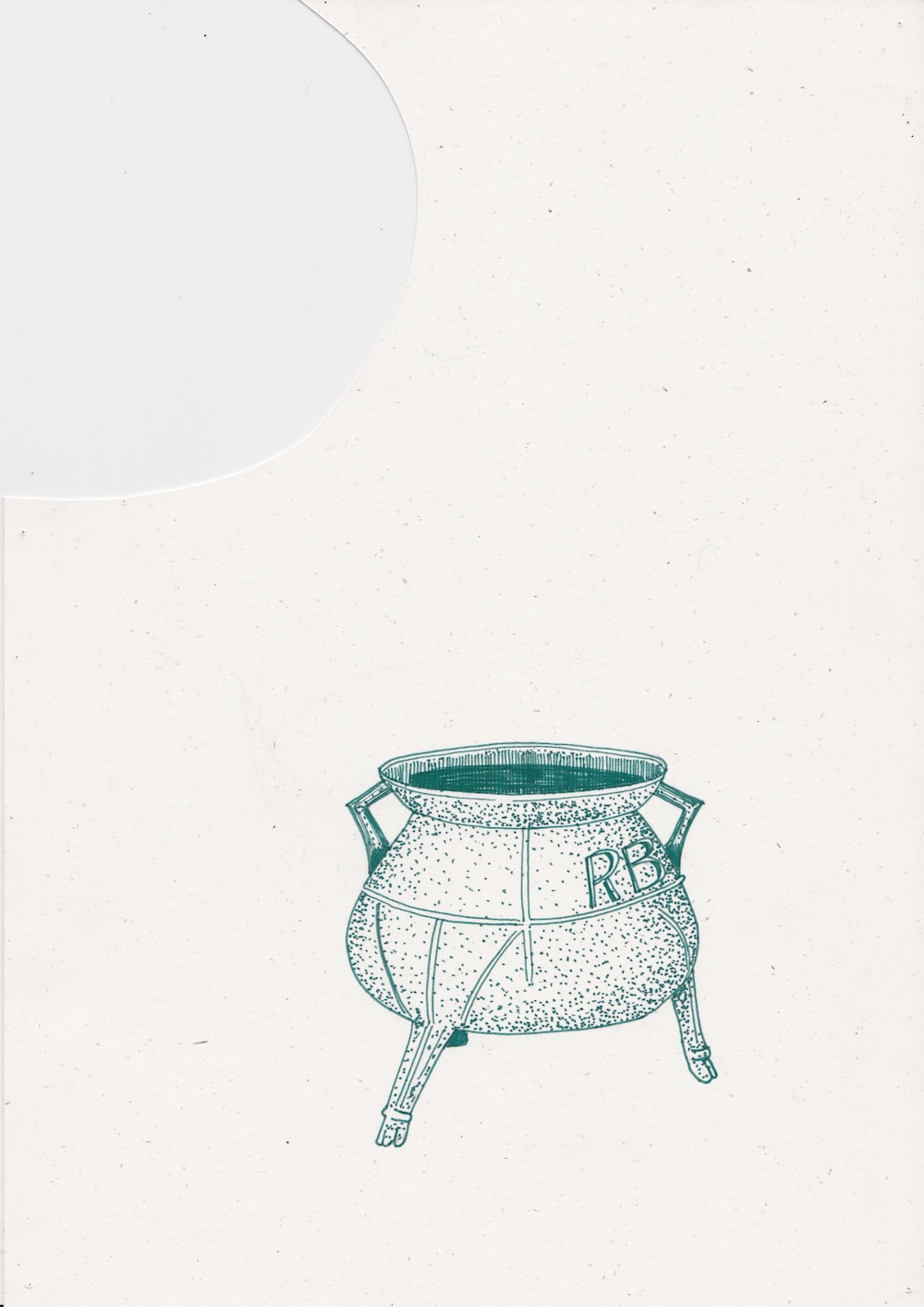
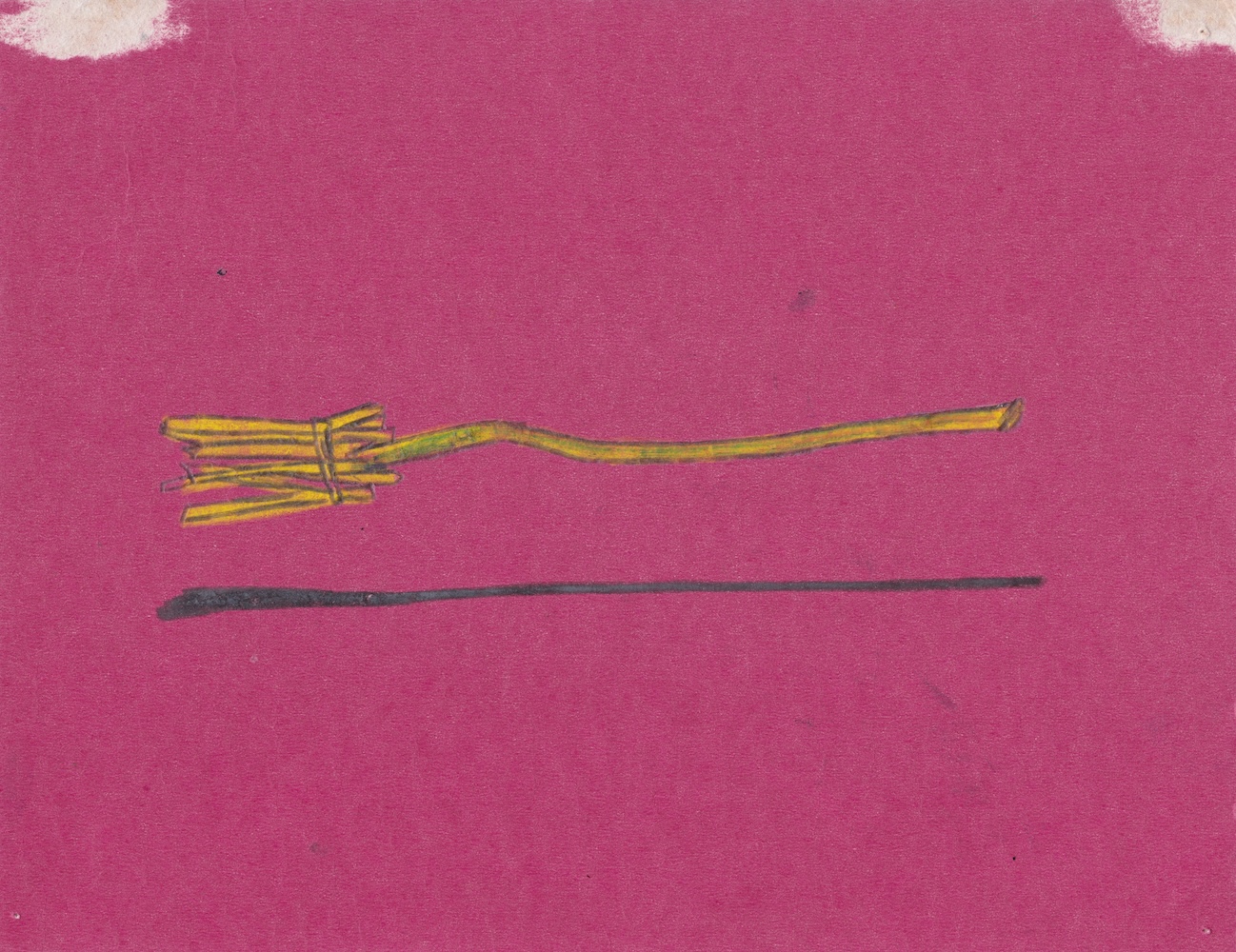
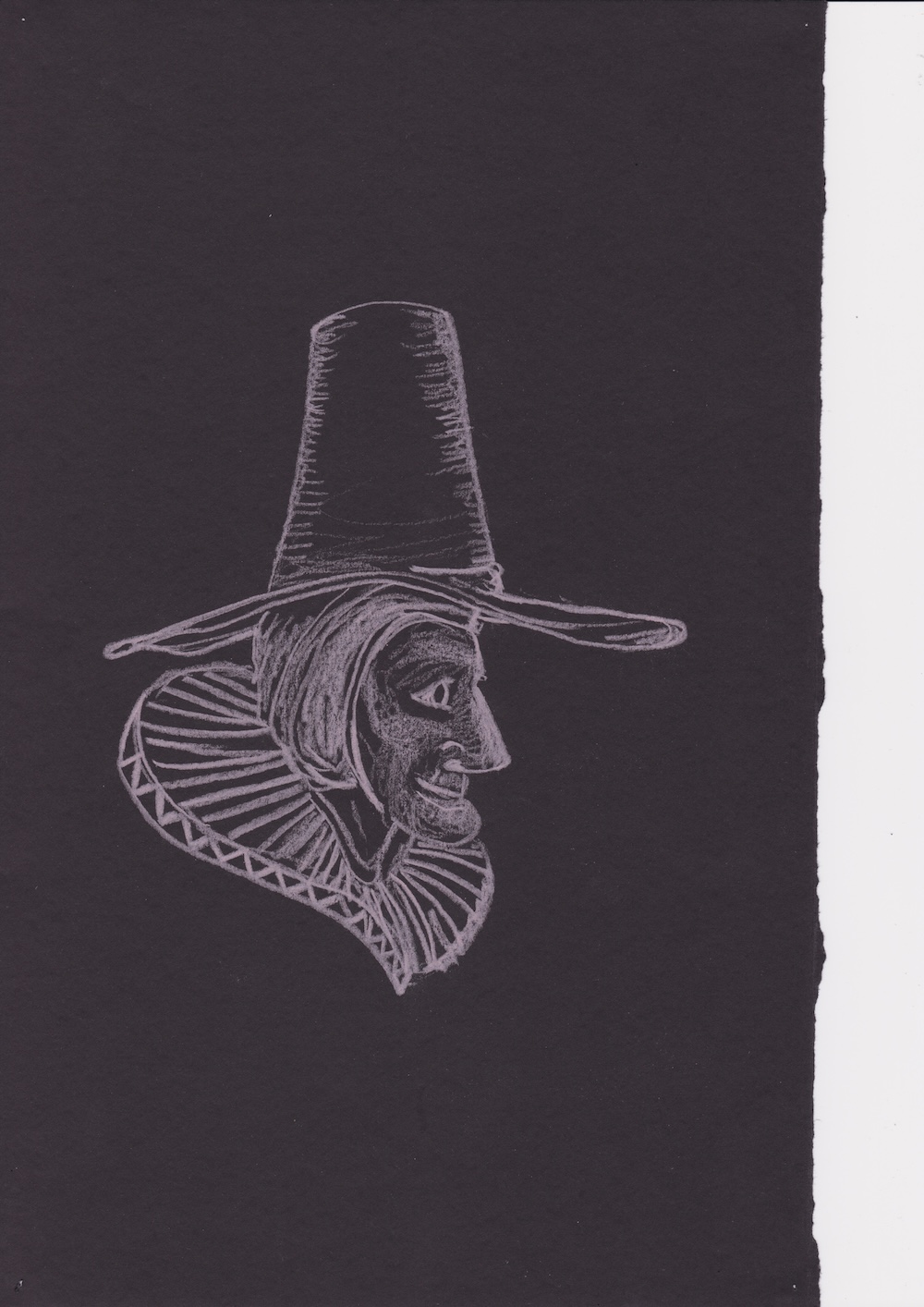
The drawings shown alongside these sculptures were part of the initial research into the history of brewing. They reference significant alewives such as Elynour Rummyng and Mother Louse; a broomstick, which may be a more historically accurate depiction of an alestaff; a bottle of gira, a malted drink linked to early fermentation processes; and a posset, a ceramic vessel used to hold a celebratory drink made from ale mixed with custard.
This body of work considers brewing as both a historical and symbolic site of labour, community, transformation, and queer resistance.